Where uninsured West Texans can find affordable care
KACU 89.5 FM
Feb. 17, 2026 | West Texas Tribune
When someone waits too long to seek medical treatment, a problem that was initially manageable can develop into a serious and expensive emergency, said Brady Harwell, executive director of the Presbyterian Medical Care Mission.
This is the reality for thousands of uninsured individuals in Texas who put off seeking health care due to cost. Around 20% of Texans are uninsured, compared to the national average of 11%.
Rural hospitals struggle to offset the cost of uninsured patients. An analysis done by Chartis in 2025 shows that 46% of rural hospitals operate in the red, and Texas has led the nation in loss of inpatient care via facility closure or conversion since 2010.
The Presbyterian Medical Care Mission serves Taylor County and 18 surrounding rural counties, with the goal of giving uninsured and low-income patients the medical care and prescriptions they need before downstream emergencies have the chance to develop.
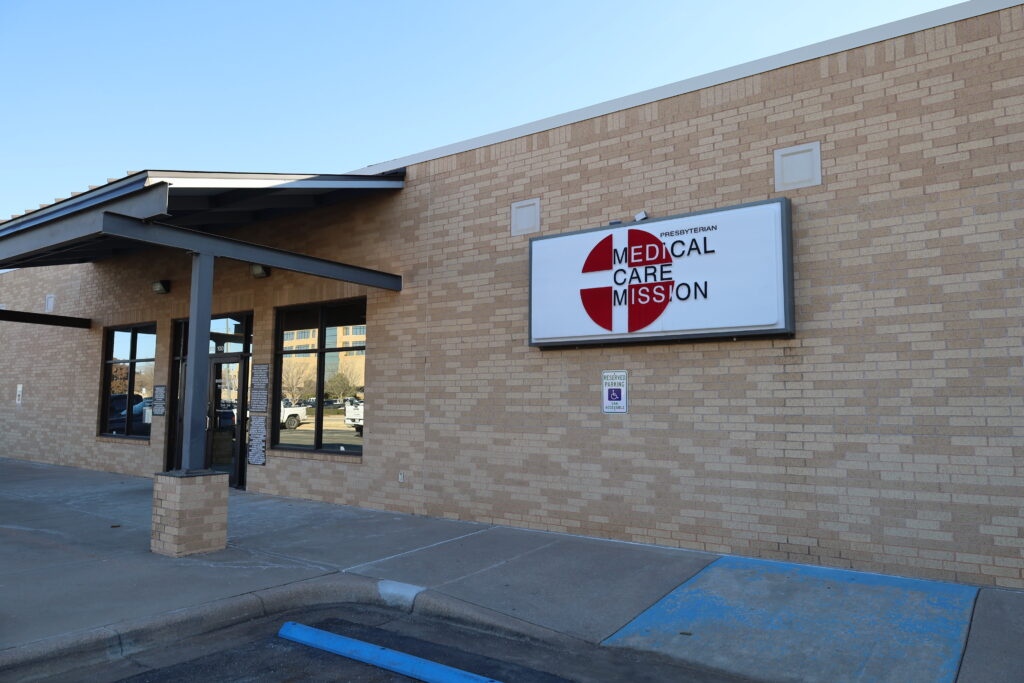
Services are available to uninsured individuals who are at or below three times the federal poverty level of around $15,000.
Harwell said that not enough uninsured people are aware of the resources available to them.
“We don’t want to be the best-kept secret in Abilene. We want to get the word out to anybody and everyone that needs medical care, needs prescriptions,” Harwell said.
In the fiscal year of 2025, the mission was able to obtain just north of $7 million worth of medication for their patients. Being a charitable clinic, the mission can tap into benefits developed by pharmaceutical companies to specifically care for the uninsured patient population.
“The vast majority of patients can actually have those medications directly shipped to their home. And when that takes place, we charge zero dollars. So they’re literally getting months of medications at a time, for no cost to them,” Harwell said.
In total, a visit at the mission costs patients around $50. This fee covers being seen by a physician, getting labs done, and receiving needed medications.
In addition to the services offered at the mission, Taylor County residents at or below three times the FPL are eligible for the charity care program at the Abilene Public Health District. The health district has other state-funded programs available to residents who do not live in Taylor County.
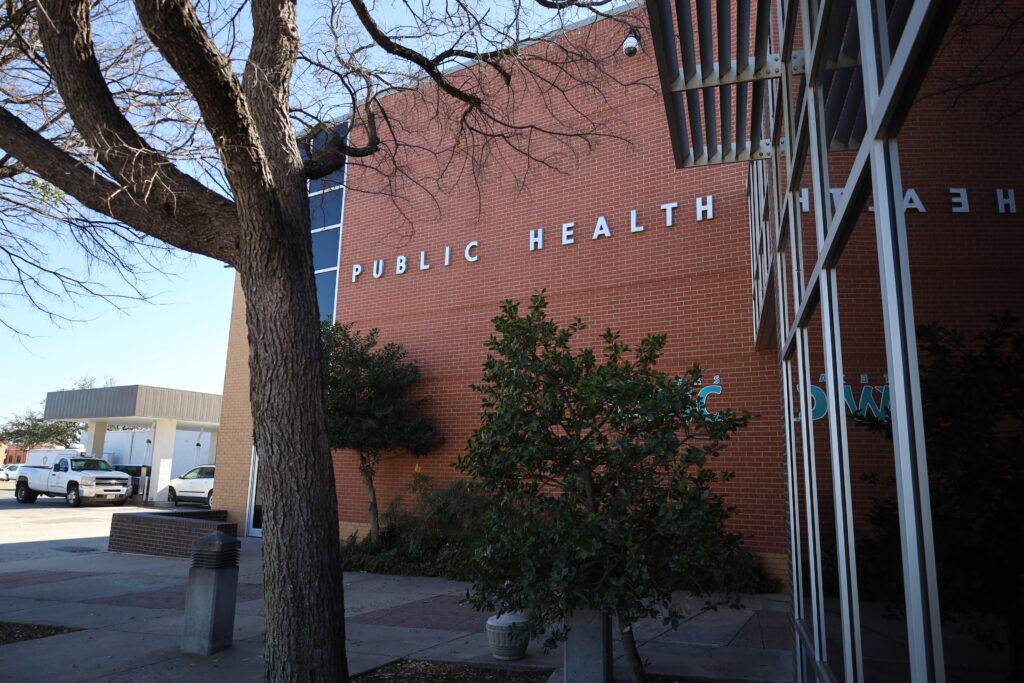
“One of our more popular clinics is our women’s clinic and our STD clinic, and it is because the care is not available anywhere else,” said Cari Waller, director of nursing at the health district. “We do live in what’s considered a family planning desert.”
She said a lot of women who can’t afford birth control and don’t know where to start with family planning come in and receive help.
STD services are accessible through the charity care program. Those who do not qualify for coverage can be provided service through a $25 co-pay.
Through the Healthy Texas Women program, the health district provides cancer screenings for breast and cervical cancer, as well as family planning services to eligible patients aged 15-44. The program is slightly more selective, as patients must fall within 250% of the FPL. There is a self-pay program option with affordable prices for patients who do not qualify for coverage.
The health district offers several other services, including immunizations, laboratory tests, and dental care.
“We’re going to work you up as a case, regardless of whether you’re insured or uninsured,” Waller said.
The health district’s funding comes from state grants. Waller said they have to provide proof of the difference they are making in the community to continue to receive grants in the future.
At the mission, 10% of the operating budget comes from patient fees. The remaining 90% comes from the community of Abilene.
The health district and the mission connect their patients to community partners when they require a service that the clinics can not provide. They also take uninsured patients under their wing following hospital visits.
“Most hospitals have a social work case management team, and so we’re able to collaborate with them and make sure that they have a home following that hospital discharge,” Harwell said.
The website, https://www.211texas.org/, provides patients with a list of medical options available to them once they type in their ZIP code and the service they are in need of.
Waller said the website may provide more resources than needed, so users will need to scroll through and make some phone calls to figure out which option is best for them.
Most places will ask that a patient provide a pay stub and some type of proof of residence or ID to prove qualification for coverage of care.