My journey to understanding, overcoming anxiety
Dec. 3, 2025 |The Optimist

According to the World Health Organization (WHO), an estimated 4.4% of the global population experiences an anxiety disorder. However, only around one in four people seek treatment, in part because of a lack of awareness that anxiety is a treatable health condition.
I began feeling anxious around the third grade, but didn’t identify the feeling as being wrong and something that I needed to fix until I made it to high school. The causes of my anxiety evolved as I got older, but the feeling itself never really changed. Anxiety found new ways to take over my life, and in turn, I found ways to adapt. Most of the time, that meant shrinking my personality or avoiding social situations.
One night, I was feeling good while playing pool with my high school friends. My mind was calm, and my body was relaxed. My closest friend looked me in the eyes and asked, “Why don’t you act like this all of the time? You’re so fun to be around.”
I realized how badly anxiety was affecting my ability to form meaningful relationships with the people I cared about. I wanted so badly to be able to be myself all the time.
If I had known more about anxiety as a mental illness, it wouldn’t have taken so long for me to ask for help.
The WHO says an anxiety disorder is characterized by excessive worry, fear and nervousness that is persistent even in typically normal situations. People may experience fear about a specific type of situation, for example, social anxiety or health anxiety. Generalized anxiety disorder affects a broad range of everyday situations.
Symptoms of anxiety may include, according to WHO:
- trouble concentrating or making decisions
- feeling irritable, tense or restless
- experiencing nausea or abdominal distress
- having heart palpitations
- sweating, trembling or shaking
- trouble sleeping
- having a sense of impending danger, panic or doom
Anxiety can be genetic, but it can also be triggered by circumstance, environment, substance abuse, trauma, etc. There are no definite causes of anxiety because what affects one person won’t necessarily have the same effect on another. An individual’s unique perception and response to circumstances or trauma determine the lasting effect that it will have on their life. Anxiety disorders increase the risk for depression and substance use disorders.
Confronting my anxiety made me question if any of my thoughts were valid or if any of the hurt I was feeling really existed. I would constantly degrade myself because I believed I didn’t deserve to feel heavy emotions and that I was just being weak. I was ashamed of who I was and didn’t want anybody else to see that side of me.
If I could go back in time, I would tell myself that I wasn’t crazy. My feelings and pain were real, even when they didn’t seem to make sense. I know that to be true now that I have experienced life without constant anxiety. If I had known that there was true healing to be had, I don’t think I would have been as hard on myself.
To overcome anxiety, I had to rewire how my mind worked.
I wrote out my anxious thoughts. From my freshman year to my senior year of high school, I filled eight journals from front to back with poetry, diary entries, doodles and random thoughts. Seeing my thoughts and feelings put down on paper made it easier for me to understand what I was thinking. I could identify irrational patterns of thought and intentionally redirect them when a similar thought arose again. Being creatively productive through difficult times gave me something to be proud of myself for. That time period is where my passion for writing came from. I will never get rid of those journals because they serve as time stamps and reminders of how far I have come.
I stopped drinking caffeine. Having anxiety for long periods of time is exhausting and can lead to emotional numbness. Caffeine was tempting to consume because it gave me bursts of energy and a few moments of feeling bouncy and joyful rather than numb. However, on multiple occasions, drinking caffeine made me more susceptible to having a panic attack. Anxiety raises your heart rate, and so does caffeine, so combining the two is dangerous and not worth it.
I prioritized sleep and taking care of my health. How I eat, sleep and take care of myself physically has an impact on my mental health. Using magnesium and melatonin before bedtime helps me calm down and fall asleep. Being disciplined about having a consistent sleep schedule is also helpful.
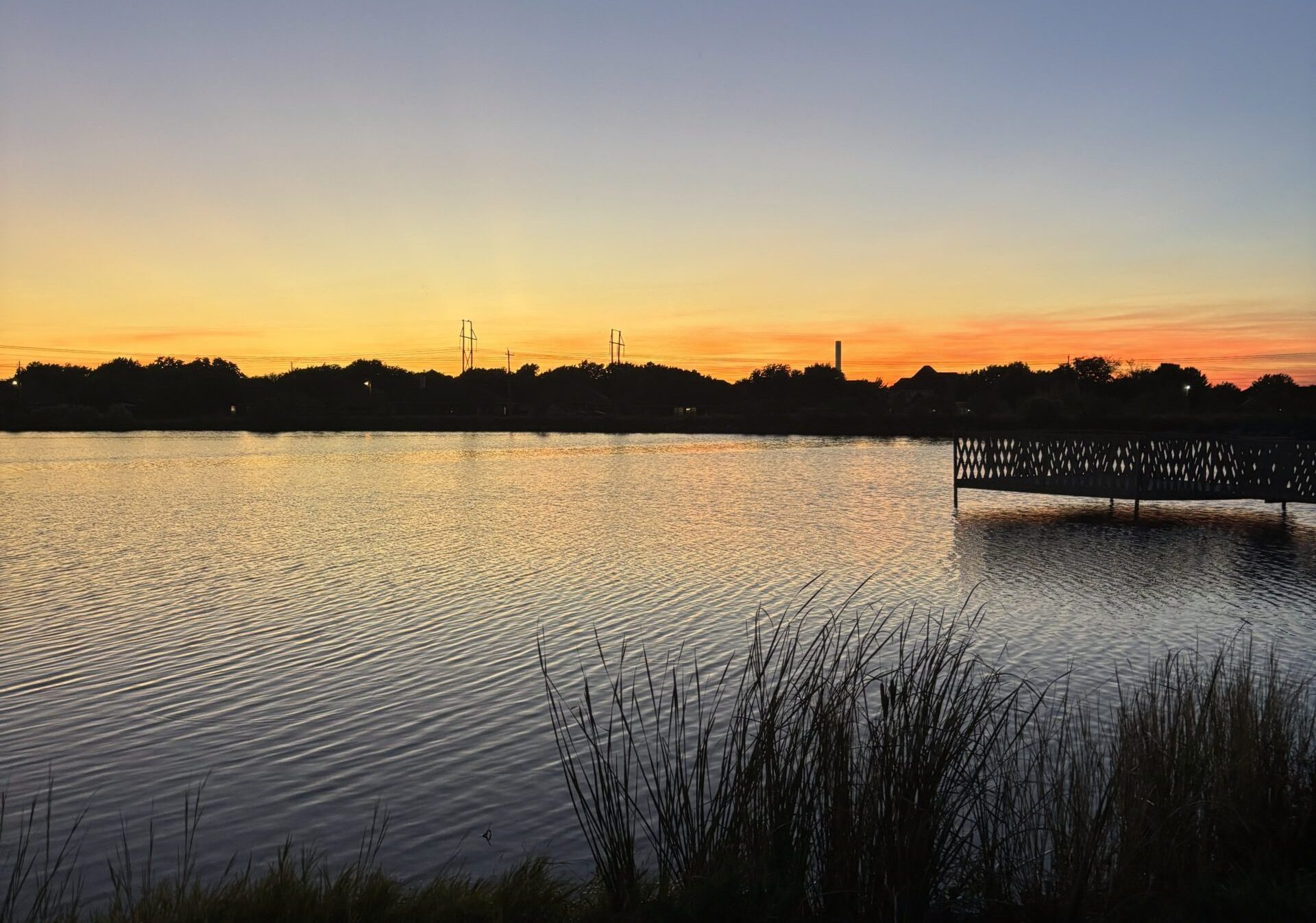
I went on long walks outside. As simple as this sounds, going outside and touching some grass is super helpful. It’s harder to find, but there are plenty of pretty places to discover in Abilene. Griffith Lake and Will Hair Park, as well as several neighborhoods that surround campus, are fun to explore. Being outside creates separation from the chaos of reality and serves as a reminder that the world is bigger and full of more beauty than the confines of an anxious mind.
I still experience extended periods of anxiety from time to time. The difference now is that I know how to handle it and don’t feed into it and make it worse. I know that the effects of anxiety are only temporary, and I know how to reset myself.
I realize that what helps me may not be what works for everyone. Having community and people to open up to is crucial to finding ways to heal. ACU has several mental health resources that are accessible to students and faculty.
The University Counseling Center offers individual and group counseling services. Appointments can be requested online or by visiting the office in the Medical and Counseling Care Center. The Medical and Counseling Care Center also has access to an on-staff psychiatrist for medication management.
The Psychology Clinic provides counseling and psychological assessment services to students and the wider Abilene community. Fees are $10 per session for individual counseling and $5 for group counseling. To schedule an appointment, call (325) 674-4826.
All students have free access to virtual medical and mental health support through the TimelyCare app or website. Students can register with their ACU email address.