32nd annual MLK Celebration Banquet: Neurosurgeon discusses the impact of exclusion on the brain
Jan. 28, 2026 | West Texas Tribune
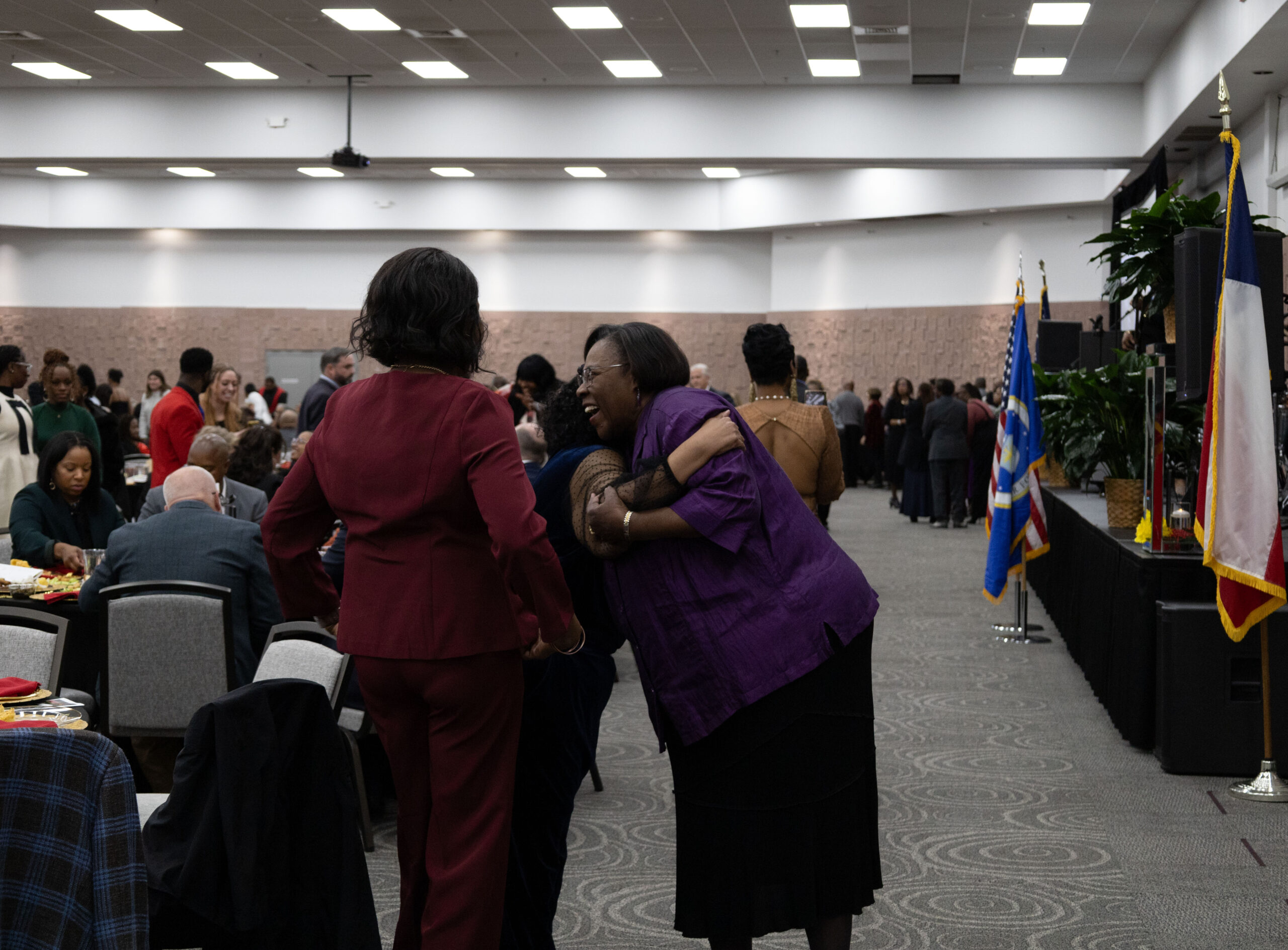
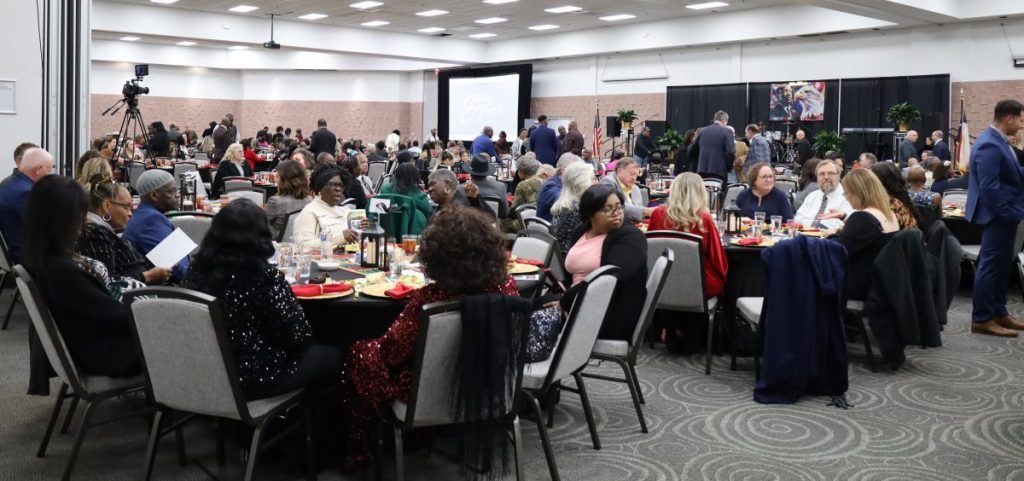
Over 500 people gathered for the 32nd annual MLK Celebration Banquet hosted by the Abilene Black Chamber of Commerce.
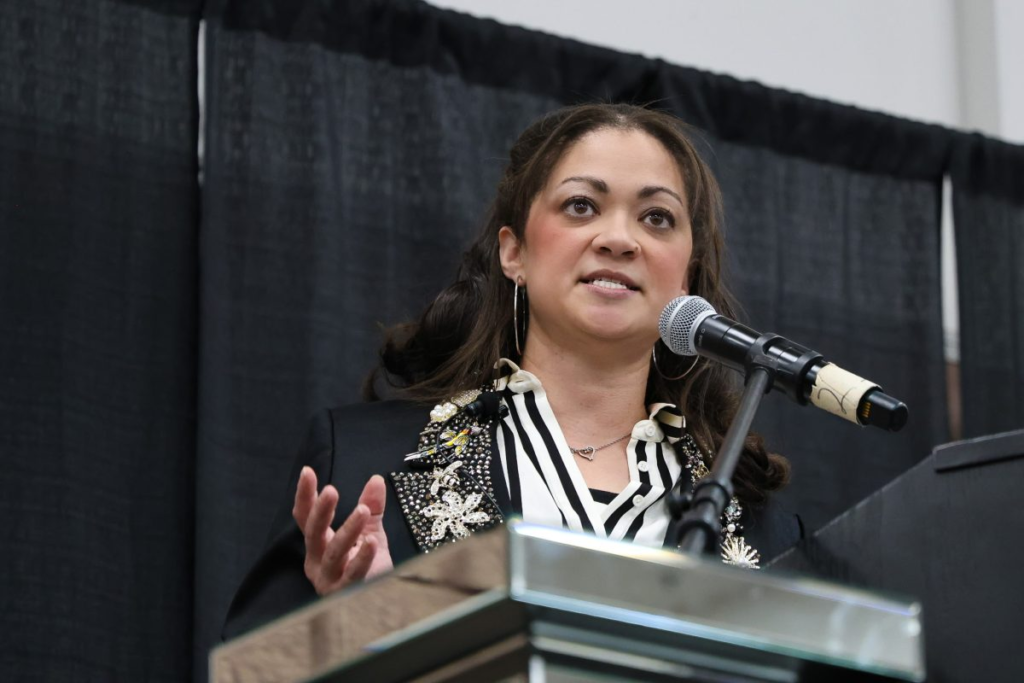
Dr. Leslie Marian Hutchins delivered the keynote speech. Hutchins is one of around 35 Black female neurosurgeons in the United States. She grew up in Abilene, graduating as valedictorian of Cooper High School and earning summa cum laude honors from Abilene Christian University. Hutchins completed her neurosurgical residency at Virginia Commonwealth University.
VCU was the only medical hospital in the Confederacy that did not close during the Civil War. Hutchins walked by the White House of the Confederacy going to and from work every day.
“Sometimes places with the worst histories are the ones forced to confront change first,” Hutchins said.
In 1987, Susan Helms was the first female at VCU to be accepted into the neurosurgery program. Helms’ life was taken from her before she could graduate from the program, but her legacy had a lasting impact on Hutchins.
“She paved the way for us females in the department. I never felt that I had to prove myself as a female at VCU or a minority, but I had to prove myself as a surgeon, a neurosurgeon,” Hutchins said.
Carol Kelly Dilworth, who attended the banquet, lived in a segregated neighborhood and went to a segregated elementary school. Dilworth said her first memory of experiencing discrimination came as a 5- or 6-year-old.
“I didn’t understand why there were two fountains. So I went to the one my mother took me to, and there was a little girl, Anglo-American girl, that was at the other one. And I said hello, and she stuck her tongue out at me, and I didn’t understand why,” Dilworth said.
Dilworth’s mother told her it was because some people were born not knowing how to act right, and that she should pay no attention to her.
“And so for years, I can’t say I didn’t experience discrimination, but I always thought about what my mother told me. When someone would respond, I’d say, oh, that’s a person who’s not too bright.” Dilworth said.
Dr. Hutchins explained that segregation and exclusion have a physical impact on the brain.
“Rejection is a biological stressor. Chronic exclusion can affect regulation, trust, and health. Belonging is not just a moral idea; it’s wired into our biology,” Hutchins said.
However, Hutchins said that when people work for something bigger than themselves, a different brain system activates. Giving pain meaning changes how the brain responds to it.
That’s what MLK did: he gave people a dream to believe in and fight for.
Dilworth said Dr. King broke through barriers for Black Americans.
“When I look at him now, I know that he must have known the dangers that he was exposed to. And so it took a lot of courage and determination and leaning on the Lord for his guidance and protection,” Dilworth said.
Helen Usera, who serves on the Hispanic Business Council, noticed the diversity of people who filled the banquet hall.
“It brings us together to remind us that it’s not just about us personally, it’s about our community, and that’s what MLK’s message is all about,” Usera said.
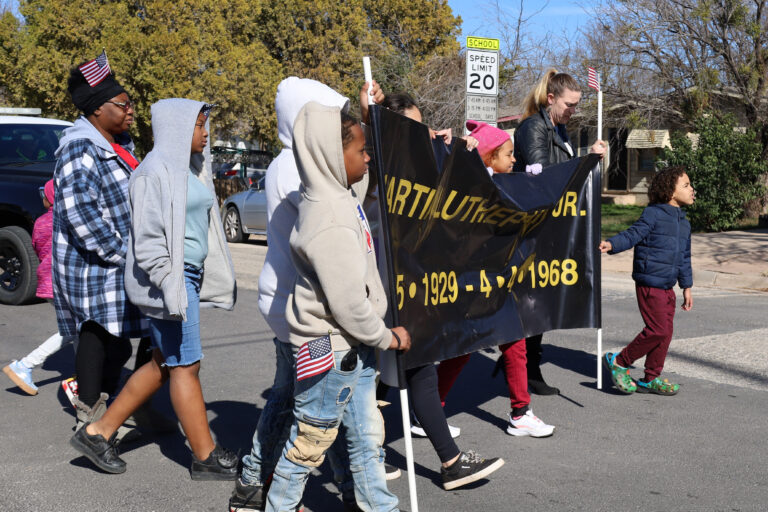
Events like the MLK Celebration Banquet keep the message of Dr. King alive.
“It seems like there is something going on in our country today that is trying to minimize the importance of the Civil Rights movement,” Dilworth said. “We have to keep the dream of Dr. King alive for our children and our grandchildren.”
The Abilene Black Chamber of Commerce has been in existence for over 51 years and honors the memory of Dr. King all year long.
“Our mission is to help entrepreneurs get started and have access to different grants or funding that are available so that they can be successful in their endeavors,” Aleah Ewing, secretary of the chamber, said.
The Black Chamber honored several Black businesses and business owners at the banquet.
Malcolm Scott was presented with the Ambassador of the Year award. Scott is the Chapter President of the Abilene area NAACP and an entrepreneur who owns a food truck that services the City of Abilene.
Deydra Williams was named the Community Service Member of the Year. Williams is an Abilene native and breast cancer survivor. She started a non-profit cancer support group called Pink Cap Warriors. She also maintains another organization called Sisters Building Sisters.
Mekenzie Davis received the Billy King Small Business of the Year award. His business, Kulture Original, was established in 2017 and had its grand opening at the Mall of Abilene in the summer of 2025.
Dr. Terrenia Fitts was presented with the Board Member of the Year award. Fitts has been a dedicated service member to various committees for over 25 years. For the ABCC, she has organized several business fairs, scholarship programs, health fairs, Juneteenth events and MLK banquets.
Loyd Ivester was posthumously recognized. Ivester was a 1990 graduate of Cooper High School and a 1995 graduate of McMurry University. Following his graduation, he opened up Lucky Beauty Supply in Abilene, where he became known as “Lucky.” He then opened a second business, Midnight Rodeo 3. Ivester and his mother were members of the ABCC. The Abilene community will remember Ivester for his kindness, strength, and care for others.
“We want to see all these small businesses win,” Ewing said. “This MLK banquet, the Abilene Black Chamber is known for that, but we want to be known for so much more than just hosting one event every year.”