Community and connection: Improving mental health for older adults
Jan. 29, 2026 | KACU 89.5 FM
Jan. 27, 2026 | West Texas Tribune
Mental health struggles in older adults are sometimes brushed off or considered a normal part of aging. Cases of anxiety and depression frequently go undiagnosed, having detrimental consequences to the quality of life of older adults.
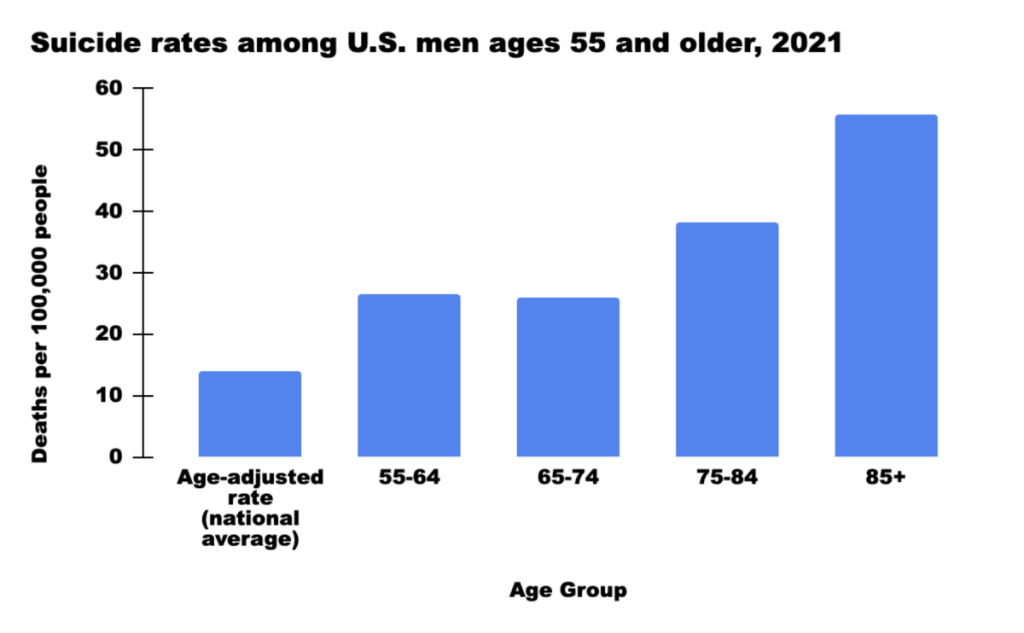
Data from the National Center for Health Statistics shows that as men get older, their likelihood of taking their own life dramatically increases. Males aged 85 years and older average almost four times as many suicide deaths as the rest of the population.
Even so, older adults receive less counseling and therapy treatment for their mental health than younger populations. In 2020, 4.7% of adults 65 and older received therapy or counseling for their mental health treatment, compared with 13.2% of adults aged 18 to 44.
Aimee Colley, Director of the Pruett Gerontology Center at Abilene Christian University, said that most older adult mental health issues stem from isolation. Reduced mobility and cognitive abilities can limit socializing. On top of that, time takes away family members, friends and partners, leaving older adults to deal with grief and loneliness.
“Depression and anxiety and loneliness do not have to be a normal part of aging,” Colley said.
There are ways to prevent isolation before it becomes a clinical issue. Colley said an older adult must be willing to put themselves out there, even when it can feel tiring or uncomfortable.
“It can mean that they have to be an active participant in maybe asking a church member to pick them up and take them to church, or pursuing going to the senior center a couple of times a week,” Colley said.
Family members should play a role in staying engaged in the lives of their older relatives. Colley said there are times when older adults are less likely to recognize their mental health needs, as well as their physical needs.
Shana Gassiot is part of the mobile outreach team at the Betty Hardwick Center, which provides mental health services around Abilene. When assessing older adults for their mental health needs, Gassiot said they try to get medical clearance first.
“Sometimes with an older population, a UTI, a urinary tract infection, is something that can make someone look like they are dealing with symptoms, such as mental health or dementia,” Gassiot said.
Sometimes, the issue really is as simple as something like a UTI or a medication change. Once that issue is treated, older adults can get back to being their normal self.
“And then if there is something medically related, then we get that addressed, and then we reassess, and we look at the picture again because the landscaping changes sometimes,” Gassiot said.
Ruling out the medical side and then circling back to mental health is key to making sure that an older adult is not neglected mentally or physically.
Navigating changes in family roles can be challenging when a parent becomes the person being cared for by their children. Colley said that in these situations, family members should be respectful, supportive, and persistent.
“In the long run, all you can do is encourage, be present when you can, continue to show up yourself, but ultimately, that person you know has to make their own decisions and determine what’s best for them as long as they’re cognitively able to do that,” said Colley.
It’s important to be involved in an older friend or relative’s life as much as possible, even when they say everything is OK. Gassiot said being present goes beyond just keeping in touch.
“If you don’t know what’s going on with them, then it’s hard for you to recognize that they may be going down a path that you could address early on instead of, you know, letting that get to a point where it’s going to be hard to manage,” said Gassiot.
Gassiot recommended paying attention to changes in sleeping patterns, appetite, mood, and decreased interest in activities or social interactions. These are all of these signs of declining mental health, ones that don’t have to be tolerated as people age.