Spay and neuter crisis of Abilene
July 22, 2025 | KACU 89.5 FM
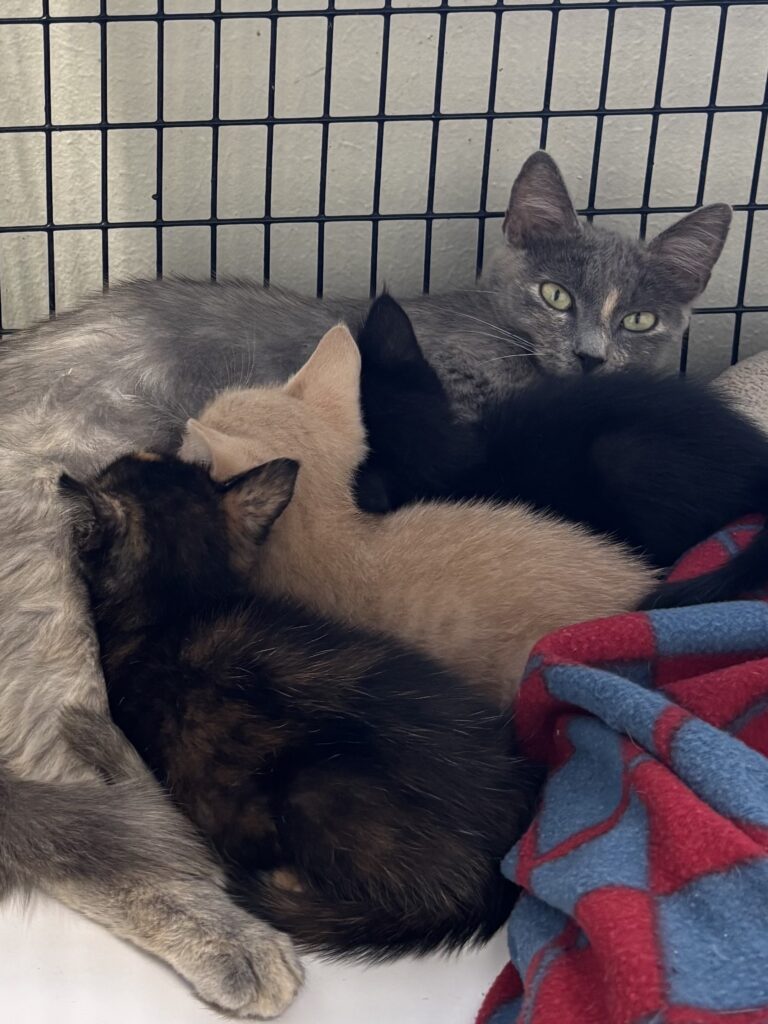
In 2023, an estimated 568,000 cats and dogs entered animal shelters in Texas. Around fifteen percent of those animals were euthanized. Abilene doubles the number of animals that are considered nationally accepted for the size of the city.
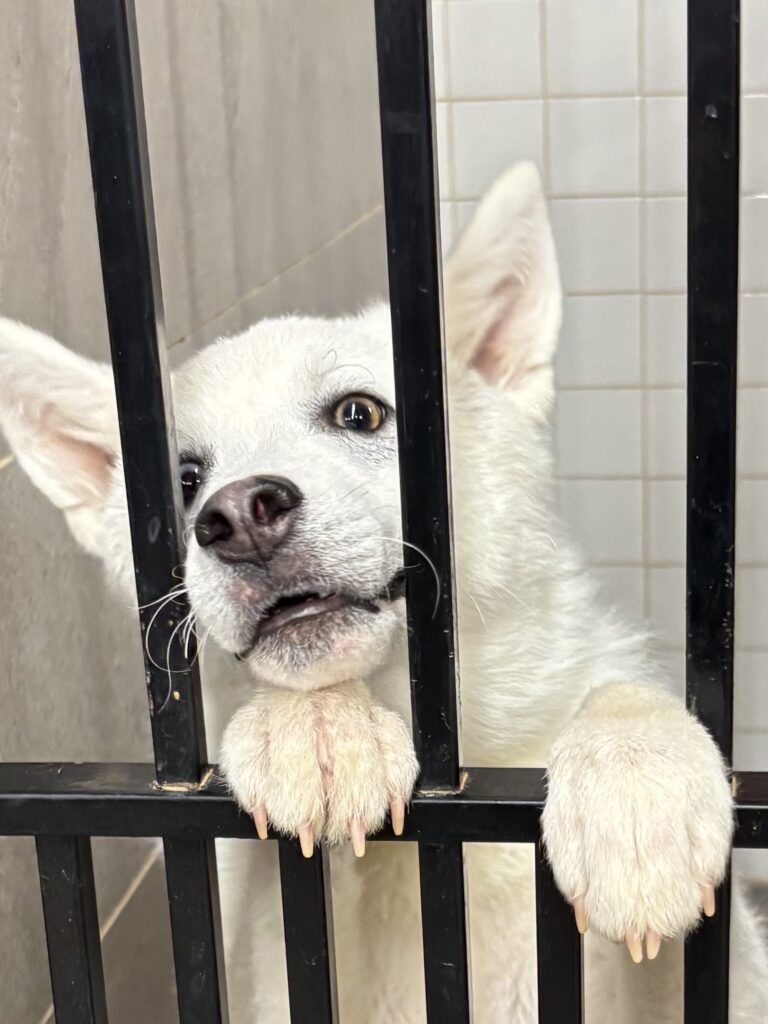
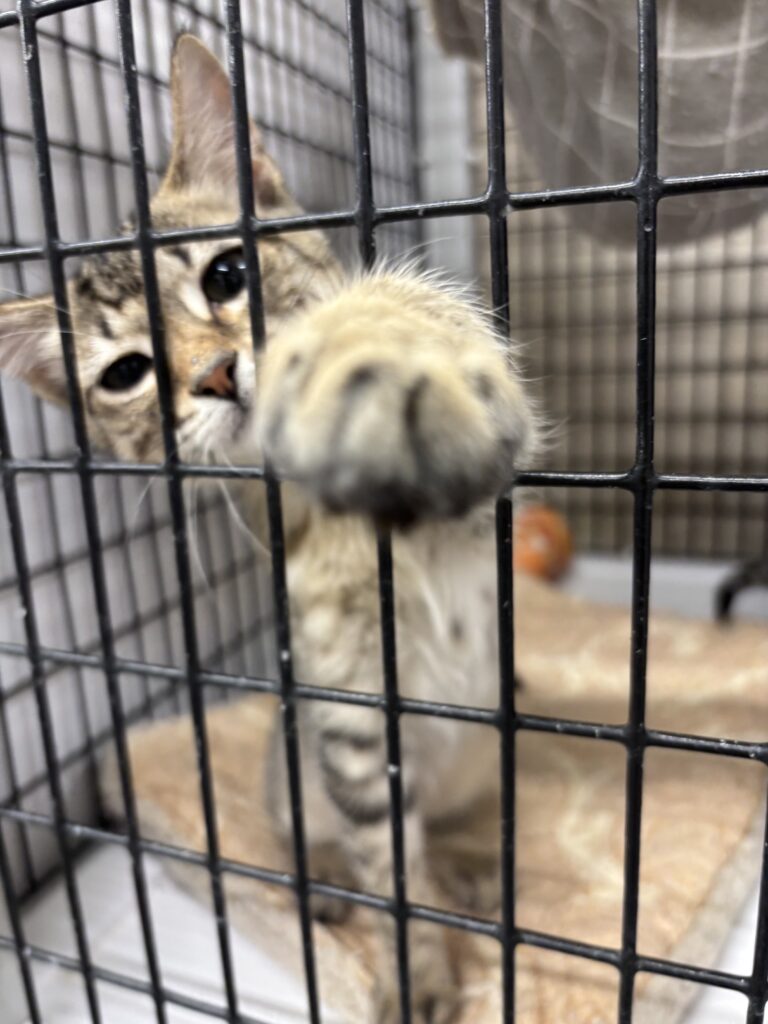
All Kind Animal Shelter and Taylor Jones Humane Society are consistently full.
All Kind’s executive director, Kelly McCoy, said the main cause for these high-intake numbers was that until recently, there was a lack of spay and neuter ordinances and restrictions on the number of pets a person could have.
“We are still seeing an increase in numbers every year. So we can have about 300 animals on site at any one time. We take in about 6,500 a year,” McCoy said. “So there’s just a lot of households that have large numbers of animals and sometimes that can kind of get out of control, especially if there’s a lack of veterinary care available or affordable veterinary care.”
Overpopulation in shelters is not just an Abilene or a Texas problem. Southern states tend to have higher shelter animal populations because of the longer summers and breeding seasons.
This March, an ordinance was issued that requires owners in Abilene to spay and neuter their pets if they are brought to the shelter.
“So it is definitely a step in the right direction that allows us to alter those pets if they’ve been here more than once and it also offers a kind of low cost solution to individuals that may not have access to that before,” McCoy said.
All Kind only charges owners twenty-five dollars for this service.
Miguel Espinoza, the newest and youngest member of the Abilene City Council, was All Kind’s treasurer for three years before he became president in October of 2024. He set a goal to achieve no-kill status for the first time in All Kind’s history, which means to have a 90% or higher save rate. They met their goal in January, eight months ahead of their projected timeline. While the number is not yet consistently above 90% from month to month, in June of this year, All Kind saw a 30% higher save rate than they did last year.
“We have so many great people in those roles that really made those things happen, and it was a blessing to be a part of it. And just to put forth my skill set, and helping with the accounting and just directing the funds of the organization,” Espinoza said.
Around 1.6 million dollars worth of funding was given to All Kind from the city’s animal services budget. All Kind also receives funding through private donors and foundations. Jane and Phil Guitar contributed a large sum of money to build the PARC facility. Espinoza said their donations helped All Kind quickly gain attention from the community and other donors. Eleven million dollars were raised in eight months for the facility.
“All of these new programs that we implement for fostering adoption wouldn’t be possible without the generosity of all the citizens of Abilene because they love their animals. And that can be readily seen through volunteering, the donations, just all the support they give us,” Espinoza said.
Taylor Jones Humane Society is a smaller shelter that does not receive funding from the city. They have space for 18 dogs and 30 cat kennels. All of their funding comes from private donations or grants.
Melissa O’Neill was a volunteer at Taylor Jones Humane Society for 25 years before she became president.
They are currently raising money to treat 5 heartworm-positive dogs. It will cost around 5 thousand dollars.
“I mean, it costs a lot of money, and the more we are adopting out, the more we’re spending because we make sure all of our animals are vaccinated, rabies, anything they need,” said O’Neill.
O’Neill said they accept all volunteers who would like to help and work with the animals. Students make up a good portion of their volunteers.
“Abilene needs a low-cost spade and neuter something, a van, clinic, something,” said O’Neill. “And we need to work more on the neighborhoods where they’re letting animals breed. There’s way too many”
According to McCoy, the only way to reduce the shelter population of Abilene is through responsible pet ownership and spaying and neutering pets to prevent accidental litters.