New nursing pathways at Cisco College aim to ease workforce shortage
April 12, 2026 | KACU 89.5 FM
April 11, 2026 | West Texas Tribune
According to the Texas Hospital Association, it’s projected that by 2032, demand for full-time registered nurses in Texas will outpace the supply by more than 57,000 positions.
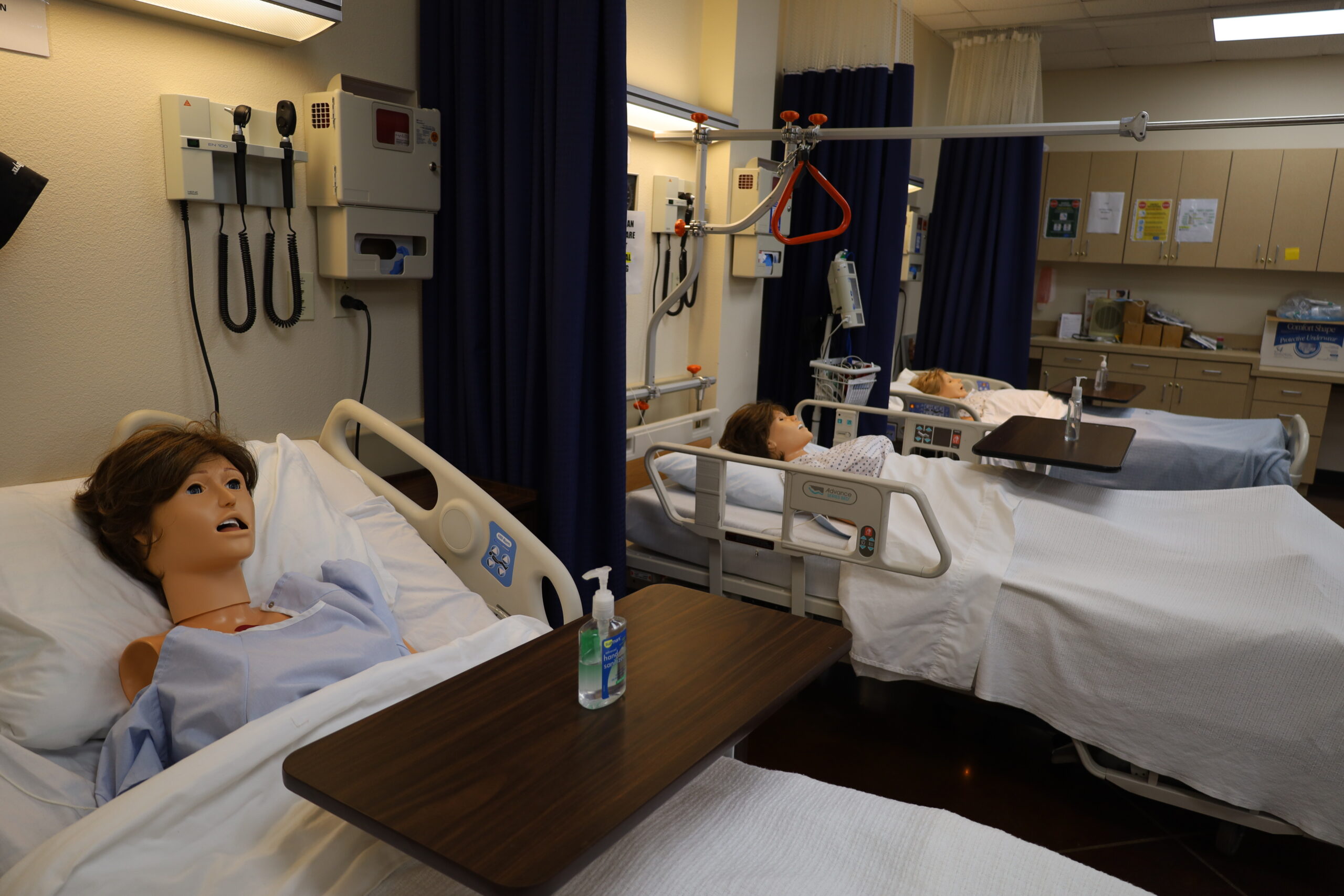
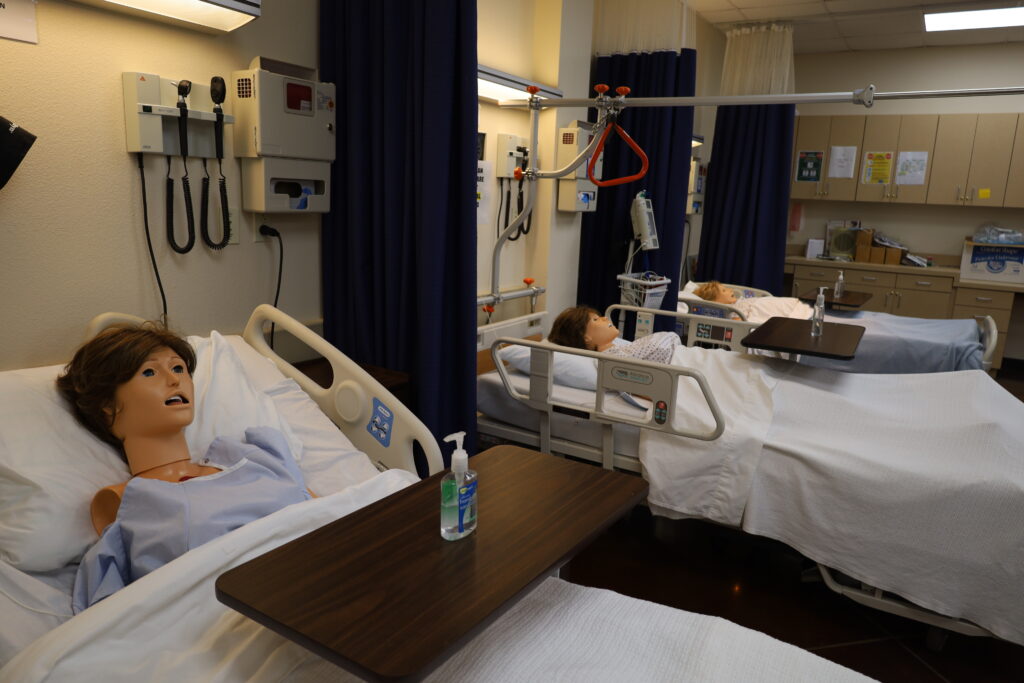
In an effort to graduate more nurses in the Abilene area, Cisco College and Abilene ISD have created a pathway for high school students to get a head start in their nursing education.
Cedric Brooks started taking nursing classes at Cisco College when he was in high school. He will become an RN shortly after turning 19.
Brooks didn’t always know that he wanted to be a nurse. “I started off actually welding. So the first two years of high school, I welded, then I was like, I kind of want a change of pace, so I applied to Holland, and that’s where the door kind of opened to health care,” Brooks said.
Brooks began high school at Cooper and then went to Holland Medical to become a certified nurse assistant. In his junior year, he started studying to become a licensed vocational nurse and earned his certification a few weeks before receiving his high school diploma.
Brooks said he talks to Holland Medical students frequently to encourage them to put in the work now so that they can be set up for life way ahead of schedule without ever having to pursue any sort of higher education if they don’t want to.
Brooks is currently taking advantage of Cisco’s LVN to RN bridge program, which allows for LVNs to earn their associate’s degree in nursing with just one additional year of schooling. Brooks will graduate in December and become an RN once he passes the NCLEX-RN exam.

“There’s no commitment. You get your school paid for, and you’re a nurse before you graduate. That’s invaluable. You can’t get that anywhere else,” Brooks said.
Pearl Merritt, the dean of the Cisco College Nursing Program, said there are so many opportunities out there for nurses to be successful in the workforce.
“I would encourage young women and men that are interested in health care to go to school because they can get a job anywhere. There are some degrees that you really can’t find a job. It’s more difficult, but health care has just so many options,” Merritt said.
A law passed in 2017 authorized public community colleges to offer a Bachelor of Science in Nursing degree to address workforce shortages. Pending approval from the Texas Board of Nursing and the Texas Higher Education Coordination Board, Cisco will start an online BSN program by the 2027 Spring semester.
In most hospitals, nurses with an associate’s or bachelor’s degree can have the same role. Merritt said that’s why they don’t pressure their students into thinking they need to go to more school. A BSN is a valuable degree for RNs seeking leadership roles.

Brooks said he would like to be a part of Cisco’s first BSN cohort if the program gets started on its projected timeline.
Brooks has classes with people from all sorts of backgrounds, from 18-year-olds who are fresh out of high school to 60-year-olds who are looking to go back to school after working as LVNs for several years. “You just get so many different minds that come together, with different experiences,” Brooks said.
The Cisco class schedule is very flexible. Brooks said he goes to class and clinicals once a week and does hybrid work on his own time. He said students with families can work and support their children and partners while in school.
Cisco provides students with opportunities beyond its campus. Before coming to Cisco, Merritt was the dean of the Texas Tech University Health Sciences Center School of Nursing for 16 years. When she became the dean of Cisco’s Nursing Program in 2013, a partnership was established between Tech and Cisco to allow Cisco nursing students with an associate’s degree to transition to Tech to earn their BSN. Even when Cisco’s BSN program is operating, students will still have the choice to go to Tech.
Merritt says 70%-80% of nurses who graduate from Cisco stay in Abilene and the surrounding areas, and 90% of students who graduate with an associate’s degree want to get their BSN. “So that’s why it’s wonderful now that we can start the Bachelor of Science in Nursing. Many of those students will want to stay in the Cisco system,” Merritt said.
The first BSN cohort at Cisco will consist of 30 students, which Merritt said is so that the first group of students will receive the attention they need to be successful. Cisco’s students are held to a high standard that sets them up for success. Recently received test results found that 98% of their associate’s degree students passed their NCLEX-RN exam.
In an effort to retain nurses from the five nursing programs in Abilene, Hendrick Medical Center, the region’s leading medical employer, offers to pay for further schooling if nurses sign a contract agreeing to work for them after graduation.
Brooks doesn’t know if he wants to stay in Abilene. “I think getting my roots planted here is a really good thing. And there’s a lot of good things in Abilene, but I would like to see what’s out there,” Brooks said.
Brooks said he plans to eventually go to medical school to become a physician, which is also very needed in Texas. Data from the Texas Health and Human Services shows that forty counties in Texas lack a single primary care physician.
Brooks said he loves working in health care because he gets to help people when they are in their most vulnerable state.
“Any time anybody’s in the hospital, you lose control, like you are being told what to do. And you feel like you don’t have a voice,” Brooks said. “As a nurse, you’re at the bedside all the time with those patients, being able to work with them through some of the most scary and hard parts of their lives, and you just get to see how grateful those patients can be.”